Old School Standard Storage Is 'Irrelevant' To Modern Genetics Terpene Profiles

For decades, cannabis culture passed down a simple gospel:
“Jar it. Cure it slow. Age it. It gets better.”
That was true — once.
But here’s the problem nobody wants to admit:
**Modern cannabis genetics no longer behave the way old genetics did.
And the old storage methods no longer protect the new terpene structures.**
This is why people keep thinking flower “falls off” faster, “loses flavor,” or “won’t cure properly” anymore.
It’s not because growers got worse.
It’s not because people forgot how to cure.
It’s not because jars suddenly became bad products.
The truth is far simpler:
🔥 Modern terpene architecture oxidizes faster than the storage methods we inherited from the 1990s.
And the pictures below tell the entire story.
⸻
1. The Classic Look: Fresh, Finished, Zero Oxidation (Day 0)
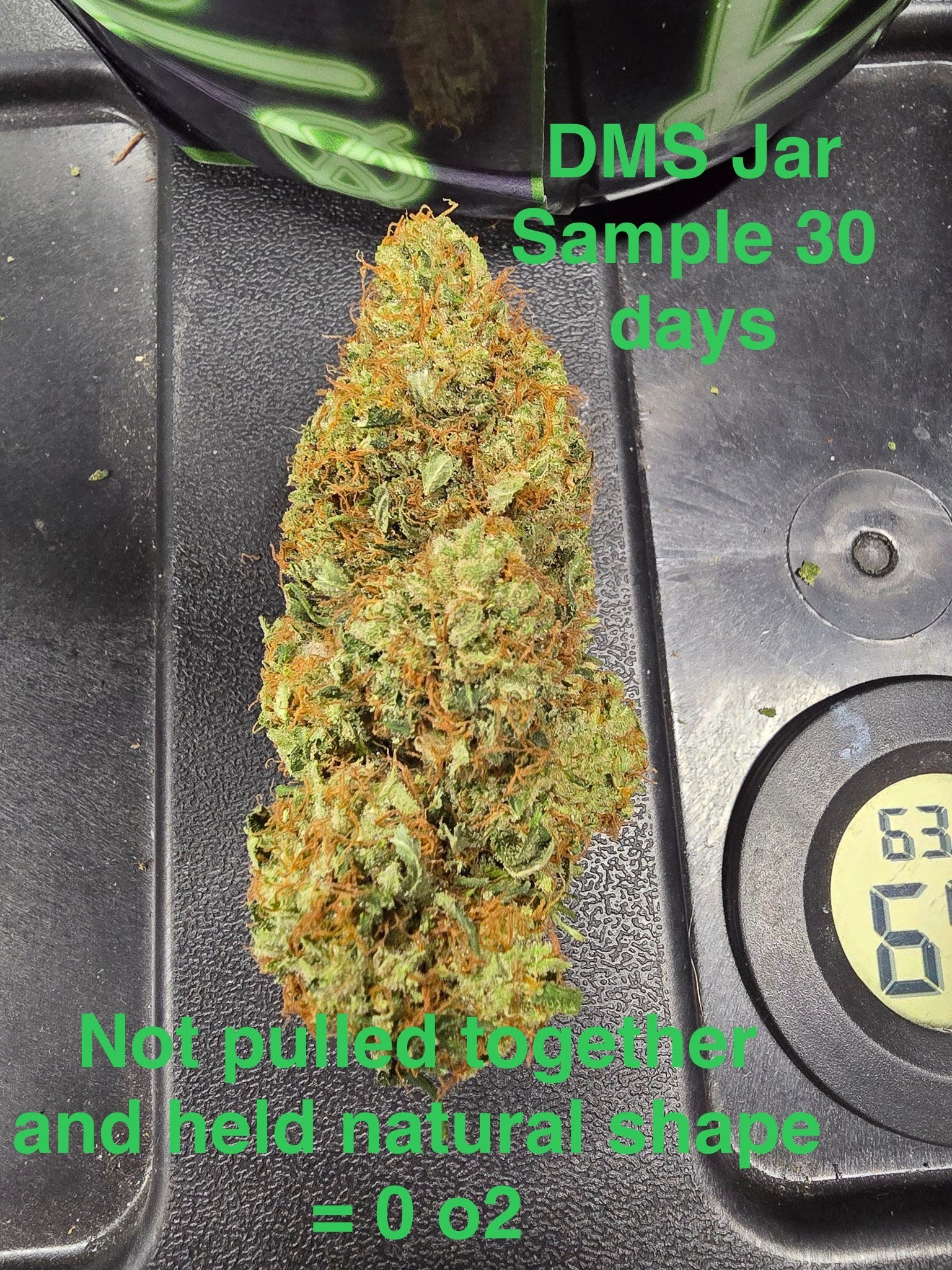
This flower is:
• fully finished
• properly dried
• nutrient-depleted
• clean-burning
• terpene-stable
• structurally intact
This is what cannabis is supposed to look like when it comes off the line correctly finished and protected from oxygen.
This is the “baseline” everyone forgets.
The ZipZap Sample: Already Tightening & Collapsing (Day 7–10)
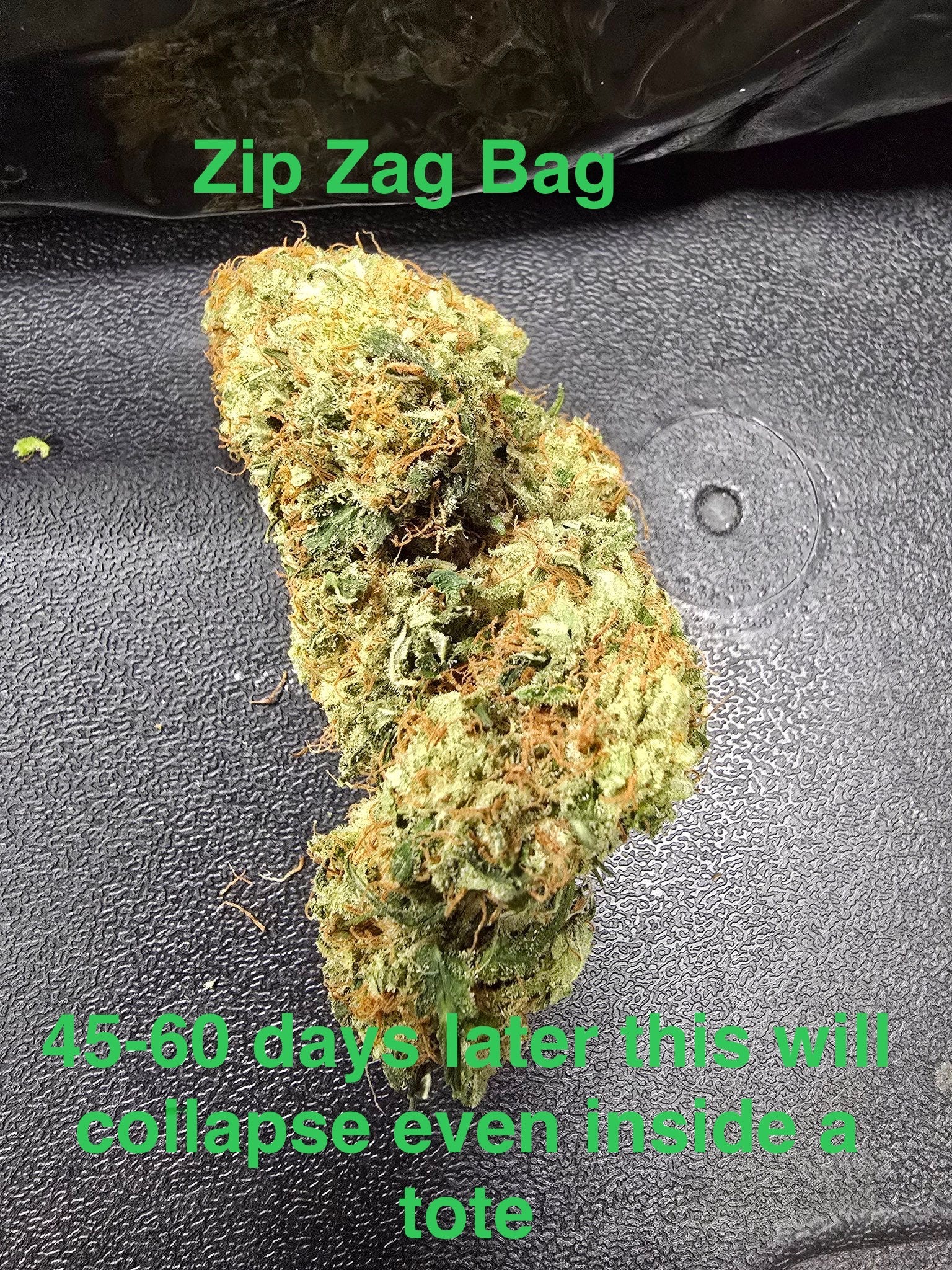
The bag looks sealed.
The plastic feels thick.
The bud “seems” okay on the surface.
But look closer:
✔ The outer edges are tightening inward
✔ The spear has lost its outward push
✔ The flower is beginning to “sink” toward the stem
✔ Internal moisture is evaporating
✔ Surface tension is collapsing
This is the classic signature of early-stage oxidation — the same “tightening up” that old-school growers believed was “cure.”
But with modern genetics?
It’s not curing.
It’s collapsing.
Why?
Because:
Modern terpenes — especially monoterpenes like pinene, limonene, terpinolene — are extremely fragile and collapse fast in oxygen.
Genetics changed.
Terpene volatility changed.
Storage chemistry stayed the same.
This is the core mismatch causing the industry-wide confusion.
Side-by-Side: Oxygen Exposure Begins Tightening the Structure
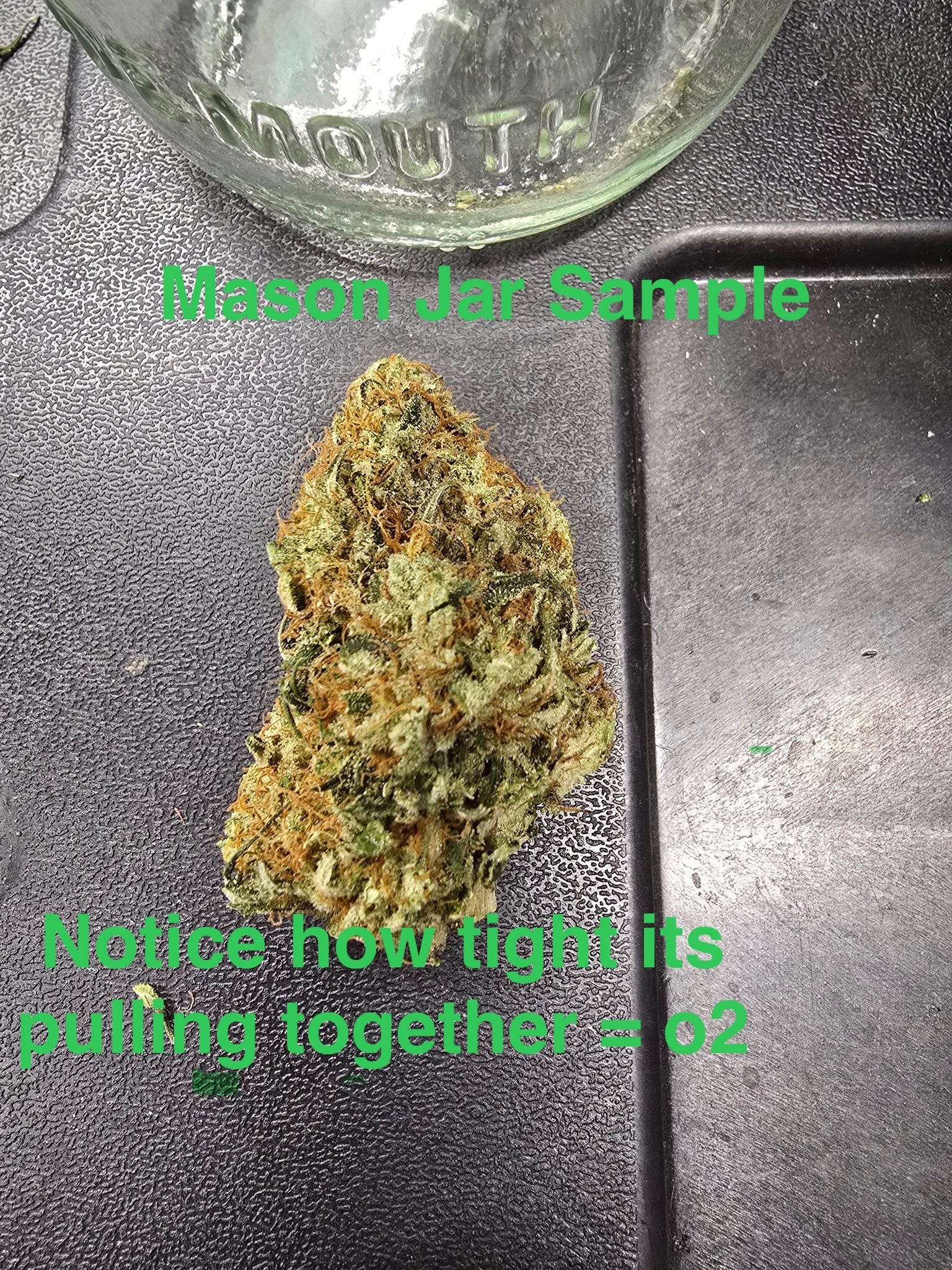
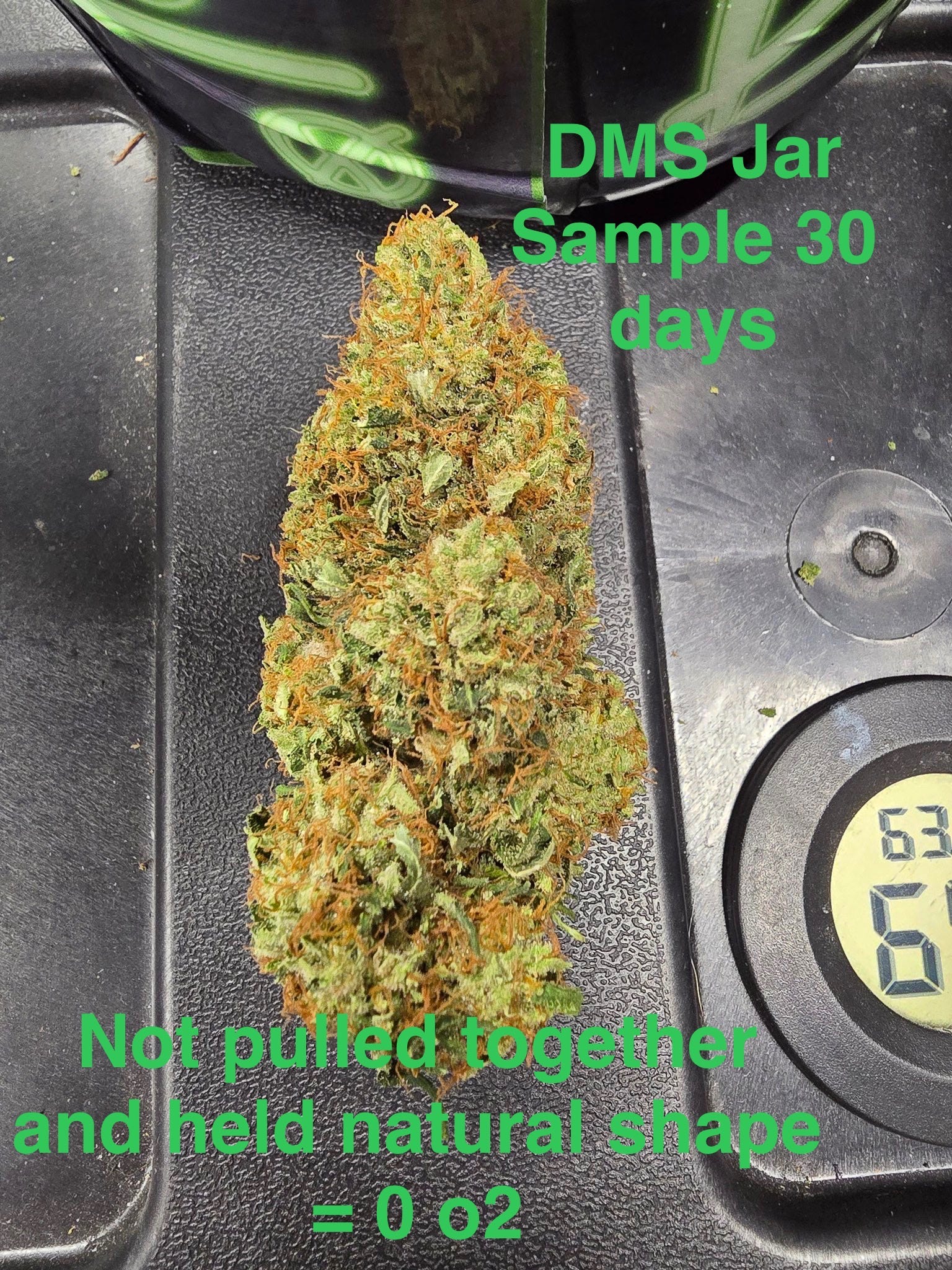
Here you can literally see the beginning of terpene evacuation:
• The buds appear slightly smaller
• The calyx edges curl inward
• Density collapses microscopically
• The resin heads lose surface tension
• The structure behaves like it’s shrinking
This is not dryness.
This is oxidation initiating structural decay.
People mistake this look for “curing.”
But what’s actually happening is the opposite:
The plant is losing the chemistry that made it special.
4. The Real Cause: Outdated Methods for Modern Terpene Profiles
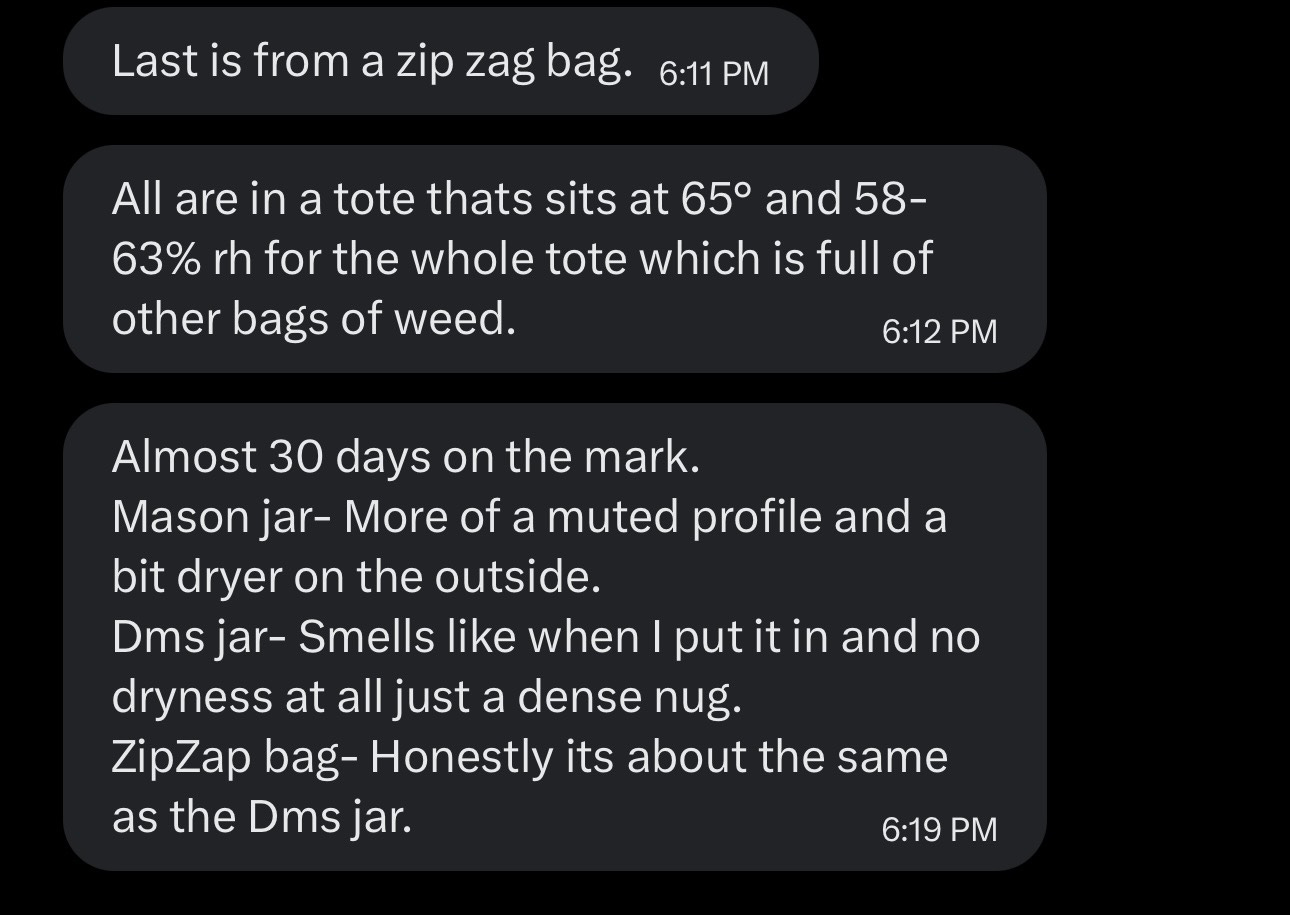
This is why old-school storage falls apart today:
✔ 1990s–2000s genetics had stable, low-volatility terpenes
They could handle months in a jar without major degradation.
✔ Modern genetics are mutation-heavy & terpene-dense
They oxidize 4–10 times faster.
✔ Jars, totes, and bag “cures” worked for the old world
They are scientifically mismatched for the new one.
✔ Oxygen — not humidity — is the real killer
But the textbooks only ever focused on humidity.
✔ Old growers still judge by yesterday’s standards
But the chemistry changed, even if the habits didn’t.
This is why people keep blaming:
• “bad cure”
• “weak genetics”
• “humidity swings”
• “cheap jars”
• “bad grower technique”
…when the truth is simple:
The storage method is from the past,
but the terpene architecture is from the future.
⸻
What This Means for the Cannabis Community
This isn’t about buying a jar.
This isn’t about any single product.
This is about rewriting post-harvest education for the modern terpene era.
The old practices are not wrong — they’re simply irrelevant to the genetics we grow today.
If your flower:
• loses pine fast
• collapses inward
• fades in clarity
• turns to myrcene funk
• loses brightness
• or becomes harsh after 30–60 days…
…it’s not your fault.
You’re following a method from 1997
on a plant from 2025.
⸻
Re-Education Is the First Step Forward
Growers need to understand:
• oxygen is the real enemy
• humidity stability ≠ terpene stability
• modern genetics require modern post-harvest protocols
• old-school curing is now a liability
• oxidation is the silent killer no one talked about
And the images above — your live comparison — show this phenomenon happening in real time.
This is the story almost no one has connected yet…
Until now.